Spot the real problem behind blurred sight
Many people search for because they want independence from corrective lenses, but the underlying issue is usually more specific than “blur.” Refractive errors like nearsightedness, farsightedness, and astigmatism happen when the eye’s shape prevents light from focusing correctly on the retina. Even when glasses laser eye surgery Johannesburg or contact lenses improve vision, they can still cause day-to-day frustrations such as fogging, discomfort, and constant maintenance. A good starting point is understanding how your symptoms relate to your prescription and how stable that prescription has been over time.
Another common problem is unclear expectations about what laser vision correction can and cannot do. Some patients assume the solution is identical for everyone, but outcomes depend on corneal thickness, corneal surface health, tear film quality, and the presence of eye conditions. Dry eye, irregular astigmatism, or other ocular surface problems can affect how well the cornea heals and how crisp vision remains after treatment. That is why a thorough eye exam is essential before making a decision, because the “right” solution is based on your measurements, not just your desire to stop wearing glasses.
How clinics match solutions to your eye measurements
A proper problem-solution approach begins with diagnostics that map the eye’s optical system in detail. During consultation, your ophthalmologist may evaluate refraction stability, perform corneal topography, and check the health of the retina and optic nerve. Tear quality and eyelid function can be assessed lasik eye surgery vs prk because dryness can cause fluctuating vision and discomfort after procedures. With these findings, your clinician can explain which laser strategy best suits your cornea and your lifestyle needs, including your tolerance for recovery time and glare sensitivity.
For many patients, the goal is stable, high-quality vision for everyday tasks like driving, reading, and using screens. However, the “best” plan may still involve temporary drop regimens, lifestyle adjustments, and a clear follow-up schedule. If you play sports or work in environments with wind, dust, or screens for long hours, these factors influence postoperative comfort and the choice of technique. A focused consultation should also cover the likelihood of needing enhancement later and the range of visual outcomes that are realistic for your specific corneal profile.
: choosing the best fit
When comparing, it helps to think in terms of corneal structure and recovery behavior rather than marketing differences. LASIK typically involves creating a flap and then reshaping the cornea with a laser, which can contribute to faster early recovery for many patients. PRK removes surface tissue before reshaping, and while it can have a longer healing phase, it may be appropriate in cases where corneal characteristics make flap creation less suitable. Your surgeon should explain how your corneal thickness and topography affect suitability, because the technique must match your anatomy.
Comfort and visual recovery are also practical decision points. Some patients experience more early dryness and variability with LASIK, while PRK often has more noticeable discomfort during the initial healing period. Both procedures require careful adherence to eye drop instructions and protective measures, such as avoiding eye rubbing and following guidance on screens and physical activity. Importantly, the best choice is not only about immediate clarity, but also long-term stability, including how your cornea responds to healing and whether you have risk factors for haze or regression.
Conclusion
If you are considering refractive solutions, the most effective path is to treat the “problem” as your unique eye measurements, symptoms, and healing profile—not just your desire to be glasses-free. A careful evaluation clarifies whether laser treatment can safely address your refractive error and what type of laser approach fits your cornea best. This is especially valuable for those researching, because the right plan depends on more than a single prescription number.
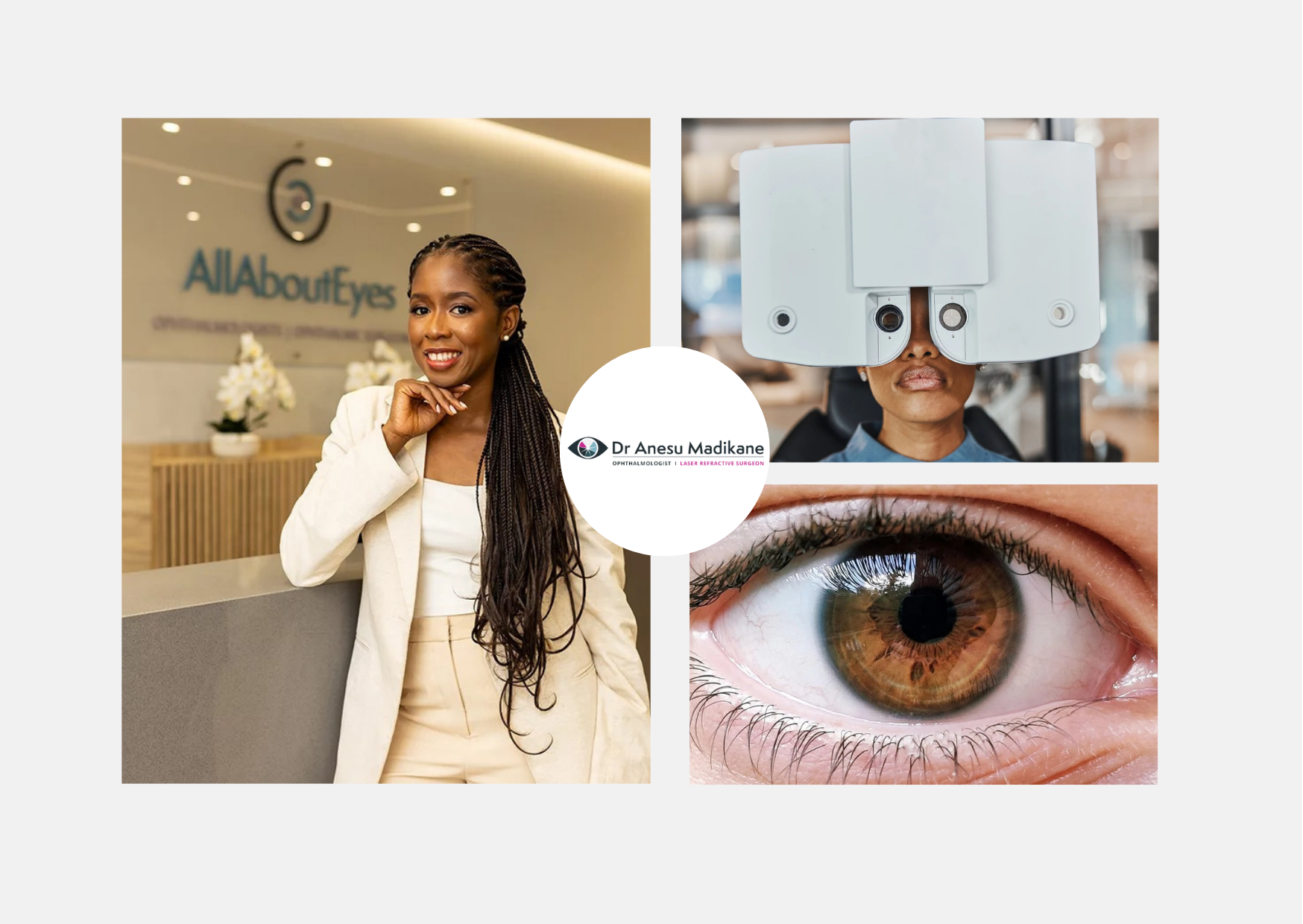
To understand options and treatment considerations in depth, you can review the services and consultation pathway offered by Dr Anesu Madikane at dranesumadikane.co.za. The practice supports patients with professional ophthalmology services and clear discussion of refractive procedures, helping you make an informed decision aligned with your eye health. By focusing on diagnosis, suitability, and realistic outcomes, you reduce uncertainty and move toward clearer vision with confidence.
