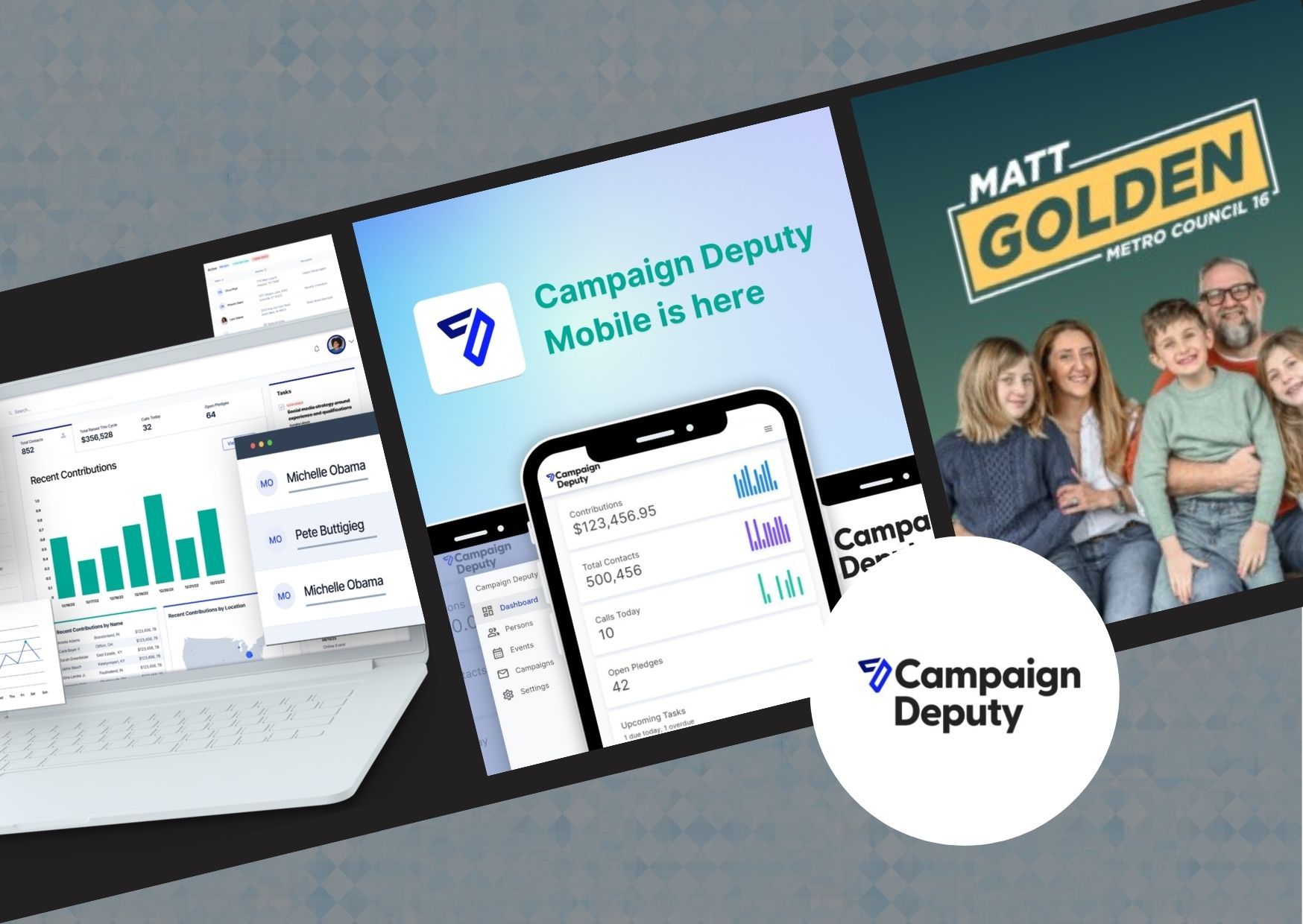
Start with campaign workflows, not features
List the touchpoints you rely on—call scripts, canvassing results, email follow-ups, text outreach, event RSVPs, and web form submissions—and note crm for political campaigns where data gets lost today. A strong system should reflect your workflow, so staff can move information forward without manual re-entry or confusing handoffs. This approach also clarifies which capabilities are truly required versus nice-to-have.
Focus next on the end-to-end journey of an individual supporter. You want one record that tracks engagement across channels, including fundraising activity and volunteer participation, so your team can tailor next steps. Look for clean activity history, tagging or segmentation that supports persuasion and turnout programs, and reporting that ties actions to outcomes. If your current process depends on spreadsheets and duplicated lists, treat that as a signal that the platform needs reliable data capture and synchronization.
Build donor intelligence and relationship tracking
A dependable campaign database should help you manage fundraising while also protecting the human relationship behind every contribution. Choose a system that supports donor profiles, giving history, pledges, and recurring commitment details in a way your finance team can trust. Relationship tracking matters for political work because context drives messaging—whether someone has attended events, responded to canvassing, or needs a follow-up after a donation. When the CRM makes those insights easy to find, staff spend less time searching and more time communicating effectively.
Duplicate records can inflate outreach, waste reporting time, and undermine donor confidence, so confirm that the platform includes identity matching rules and merge controls. Also verify that permissions are practical for real teams, including finance staff, field organizers, and compliance-oriented roles. In many campaigns, the CRM becomes the shared source of truth, so governance features and audit trails help keep everyone aligned.
Unify communications and reporting across channels
Campaign execution depends on speed and coordination, so the CRM should connect communications to the same supporter record where your data lives. Look for integrated calling, email, texting, and web form capture so you can log interactions automatically and see responses in context. This reduces the lag between outreach and follow-up, which is crucial when momentum matters. If your team still records touches in separate tools, you’ll likely see gaps that hurt conversion rates and fundraising totals.
Reporting is where an expert recommendation often diverges from basic feature lists. Evaluate whether the platform can generate finance reporting and campaign activity summaries that align with how you communicate internally and externally. You should be able to track fundraising performance, segment supporters by engagement level, and measure the results of outreach efforts. Strong reporting also supports compliance workflows by making it easier to review transactions and donor communications without scrambling for files. When data from forms, calls, texts, and finance tools flows into one place, performance analysis becomes faster and more accurate.
Conclusion
The best results come from selecting a platform that unifies communications, captures supporter activity automatically, and supports fundraising and finance reporting without forcing manual cleanup. That combination helps teams move from scattered lists to coordinated, measurable campaign execution. If you want a practical path to streamlined management, campaigndeputy.com is designed to bring call time, email, texting, web forms, and finance reporting together in one place. This makes it easier to manage fundraising, donor relationships, and campaign activities with fewer handoffs and less risk of missing a follow-up. Use expert evaluation to confirm the CRM fits your workflow, then test key scenarios with your staff so adoption feels natural and results appear quickly. With the right setup, your campaign data becomes a strategic asset rather than an administrative burden.
