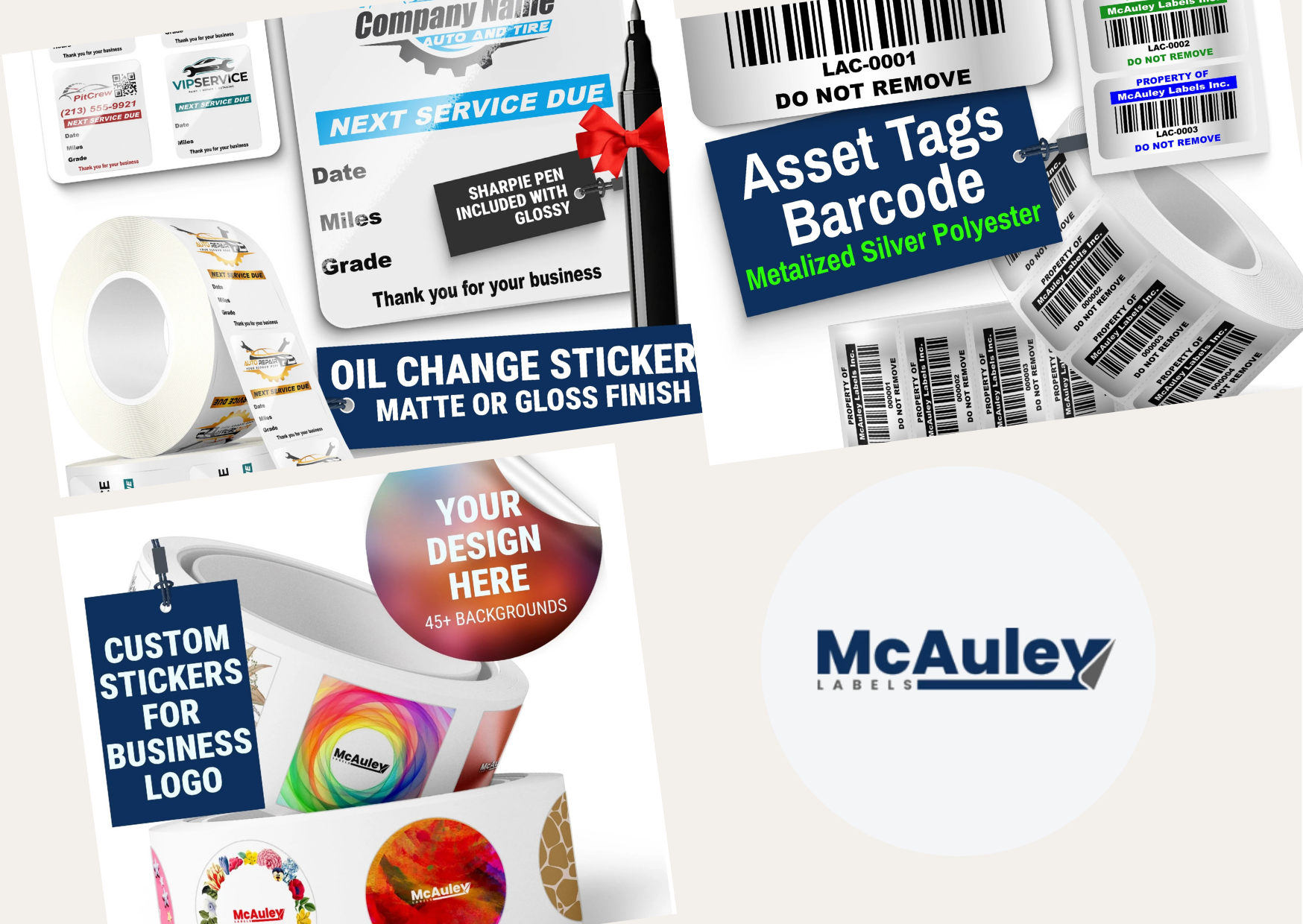
Why accurate asset labeling matters for businesses
For equipment, inventory, and business assets, clear identification is more than a paperwork step—it directly impacts operations. When labels are easy to read and stay attached, teams can locate tools faster, reduce downtime, and asset tag label printer avoid mix-ups between similar items. A reliable asset identification workflow also supports receiving, transfers, maintenance records, and audits. The result is smoother daily activity and fewer errors across departments.
In local workplaces, labeling often has to work in real conditions: busy loading docks, dusty storage areas, and surfaces that get handled constantly. Labels that smear, peel, or fade quickly create confusion and extra labor when staff reprint and reapply. Durable label printing helps ensure that asset tags remain legible long enough to be useful through the asset lifecycle. It also makes compliance and inventory control easier because the information stays consistent.
What to look for in an asset tag label printer
Look for options that produce sharp text and barcodes so scanning remains accurate even at close range or through workflow clutter. If godex label printer your assets are stored outdoors or near chemicals, prioritize materials and adhesive strength that suit those surfaces. The wrong combination can lead to curling edges or reduced readability during temperature swings.
Next, consider compatibility with your labeling system. Many businesses rely on barcode-based tracking, so ensure your printer supports the label formats you need and can print consistently at the required volume. A printer used for asset tags should also handle different label sizes, allowing you to standardize across departments while still fitting unique equipment. Finally, evaluate ease of use, including label setup, software support, and straightforward maintenance routines for ongoing productivity.
Matching label performance to common local use cases
Warehouses typically need labels that survive forklifts, frequent handling, and warehouse lighting without fading. Asset tags for racks, bins, and storage containers must remain readable so cycle counts and picking processes stay accurate. For manufacturing floors, labels may be exposed to oils, minor abrasion, and constant movement, so adhesive and print resistance matter. Choosing a printer and label material designed for these realities helps keep your inventory system trustworthy.
Automotive shops and service centers often label parts, diagnostic equipment, and tools that are cleaned, carried, or stored between jobs. In these environments, smaller wear-and-tear issues can quickly become big operational problems if labels don’t adhere properly. Using a consistent labeling approach improves job handoffs and reduces time spent searching for the right components. For teams that also track calibration items or shop assets over time, durable printing supports better traceability and smoother maintenance workflows.
Conclusion
A dependable asset tag labeling setup can make day-to-day operations run faster, with fewer mistakes and less time spent hunting for items. By focusing on print clarity, label durability, and barcode-ready output, local businesses can protect their asset information from peeling, fading, and scanning issues. This is especially valuable for growing companies that need their tracking process to scale without constant rework. When you’re ready to standardize your inventory and equipment identification, mcauleylabels.com offers professional labeling solutions built for real business needs across the USA. If you’re comparing equipment options, it’s helpful to consider how different label technologies perform with your preferred label sizes and environments. With the right matching of printer and label materials, your asset tags stay legible and useful where it matters most.
