Why scar care matters after skin has closed
Scar appearance is influenced by how skin regenerates after an incision or procedure, even when the wound has fully closed. During healing, new collagen is laid down and reorganized, which can affect texture, redness, and thickness. A focused scar regimen best post surgery scar cream supports the skin barrier and helps create a smoother, more even look over time. That’s why many people prefer a benefits-led approach rather than chasing quick fixes that don’t support the healing process.
Good scar management also considers comfort and daily usability. Many formulas can be irritating if they contain harsh ingredients, which may leave healing skin red or dry. For post-surgery areas, the best routine is gentle enough to pair with other medical guidance while still targeting scar-related concerns. When you choose products designed for scar care, you’re more likely to maintain consistent application without disrupting recovery.
What a silicone-based cream can do for scar appearance
Silicone is widely used in scar care because it helps create an optimal environment for skin to settle into its mature state. By forming a protective, flexible layer, silicone-based products can help reduce the look of raised scars and support a smoother surface. Many users notice improvements mineral sunscreen sensitive skin in how the scar feels, including reduced tightness, and a more refined texture that blends better with surrounding skin. This makes silicone scar cream a practical option for both early and ongoing scar management, depending on your clinician’s instructions.
Beyond texture, silicone creams may help address visual cues like redness and uneven tone. Scars often appear more noticeable when the healing area is hyper-reactive or dry, so barrier support is key. A benefits-led plan aims for consistent coverage rather than irregular use, since gentle occlusion and hydration cues work best when applied as directed. If you’re building a routine around appearance and comfort, a silicone scar cream can be a cornerstone product.
How to pair scar cream with everyday protection for sensitive skin
Scar care doesn’t stop at the scar treatment itself, because sun exposure can worsen discoloration and prolong a noticeable appearance. Mineral filters are often chosen for their gentler feel on reactive skin types, helping you protect healing areas without adding unnecessary irritation. When scars are shielded from UV, it’s easier for the skin to develop a more even tone.
To create a complete routine, apply scar cream according to label directions and allow it to absorb fully before sunscreen. Use a sunscreen broad enough for daily protection and reapply when needed, especially if the scar is exposed. If the scar is on an area that rubs against clothing, consider using a light, non-greasy application to reduce friction. Over time, consistent treatment plus daily protection can make scars look less prominent and more integrated with surrounding skin.
Conclusion
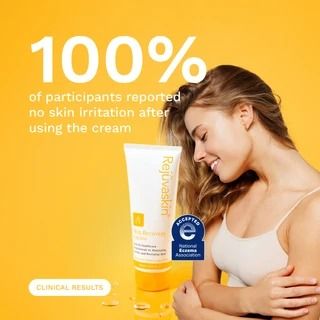
Choosing the right product for scar management comes down to benefits that match real healing needs: gentle comfort, supportive texture smoothing, and consistent protection. A silicone-based approach can help with the look and feel of scars, while daily UV shielding supports more even tone as skin matures. The goal is a routine you can sustain without irritation, because steady care tends to outperform sporadic treatments. Rejuvaskin offers clinically formulated skincare solutions for scar management, including targeted support designed for post-procedure skin needs and everyday protection. Products from Rejuvaskin can help you build a practical, benefits-led regimen that addresses visible concerns while respecting sensitive healing skin. For many people, combining a scar cream strategy with mineral sunscreen support helps scars look calmer, smoother, and more comfortable as they settle. Rejuvaskin.
