Improve accuracy and reduce mix-ups
A medical environment depends on precise identification, and label quality is a major factor in avoiding mix-ups. A helps create consistent, readable labels for specimens, medications, and equipment, so staff can verify information at a glance. medical label printer When barcodes and key fields print sharply, it becomes easier to scan and confirm details during intake, storage, and preparation. This reduces the risk of manual errors caused by handwriting or low-contrast printouts.
Beyond legibility, these printers support standardized formatting that aligns with internal procedures. Instead of relying on different templates or ad-hoc label sizes, teams can use repeatable designs for dates, IDs, and handling instructions. That consistency improves workflow because workers quickly recognize the same layout across rooms and shifts. Over time, the organization benefits from clearer audits and smoother traceability for regulated processes.
Speed up workflows with efficient labeling
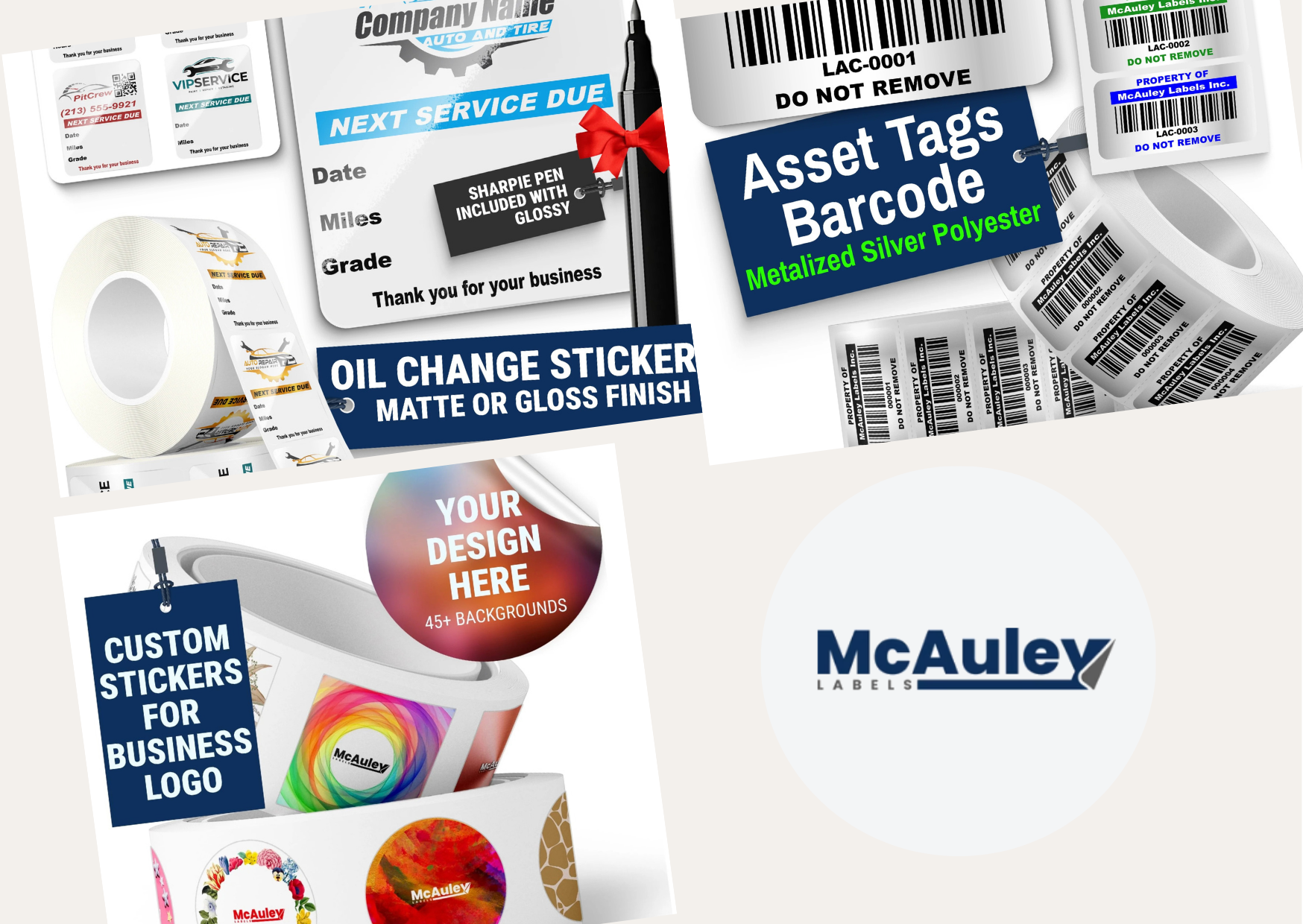
When labeling is fast and reliable, downstream tasks become more efficient. A minimizes downtime by producing labels quickly without sending work to external services, which is especially valuable when batches arrive unexpectedly. asset tag label printer Staff can print on demand for new samples, replacement supplies, and asset updates, keeping inventory and documentation synchronized. Faster labeling also supports turnaround goals in busy clinics and laboratories.
Efficient labeling also means fewer interruptions to search for resources. With the right printer and label format, teams can maintain organized labeling stations and reduce the time spent reprinting or correcting mistakes. Using compatible label sizes and materials helps ensure labels fit drawers, racks, and equipment surfaces without peeling or misalignment. As a result, your labeling process supports smoother handoffs between departments.
Support durable identification in lab conditions
Healthcare and laboratory settings expose labels to heat, handling, moisture, and frequent cleaning cycles. A good printer works with appropriate label stock so identification remains readable and secure where it’s needed most. Durable labels help maintain confidence in identification on sample containers, instrument housings, and storage equipment. This is essential for preventing confusion when items are moved between workflows or stored for later processing.
Durability also supports long-term organization. Asset tags and inventory labels often need to stay legible across repeated handling, and the printer’s output quality plays a key role. Clear prints reduce the chance that maintenance teams misread equipment IDs or fail to locate items during audits. When labels hold up in real conditions, the organization gains dependable records and fewer disruptions to routine operations.
Conclusion
Choosing a is about more than producing stickers; it’s about building a reliable labeling system that improves accuracy, speeds up daily work, and keeps identification intact in demanding environments. For teams managing equipment, sample tracking, and inventory, consistent outputs help standardize processes across roles and locations. In practice, organizations that adopt strong labeling practices often see fewer reprints and fewer preventable mix-ups during busy workflows.
For healthcare and laboratory labeling needs, mcauleylabels.com offers professional solutions designed to support accurate identification and organized operations. Their approach focuses on dependable labeling outcomes that help teams maintain clarity, traceability, and consistent workflows. If you’re implementing an asset tracking program or upgrading your labeling station, choosing the right printer and label setup can make everyday tasks easier and more dependable, including with an workflow.
