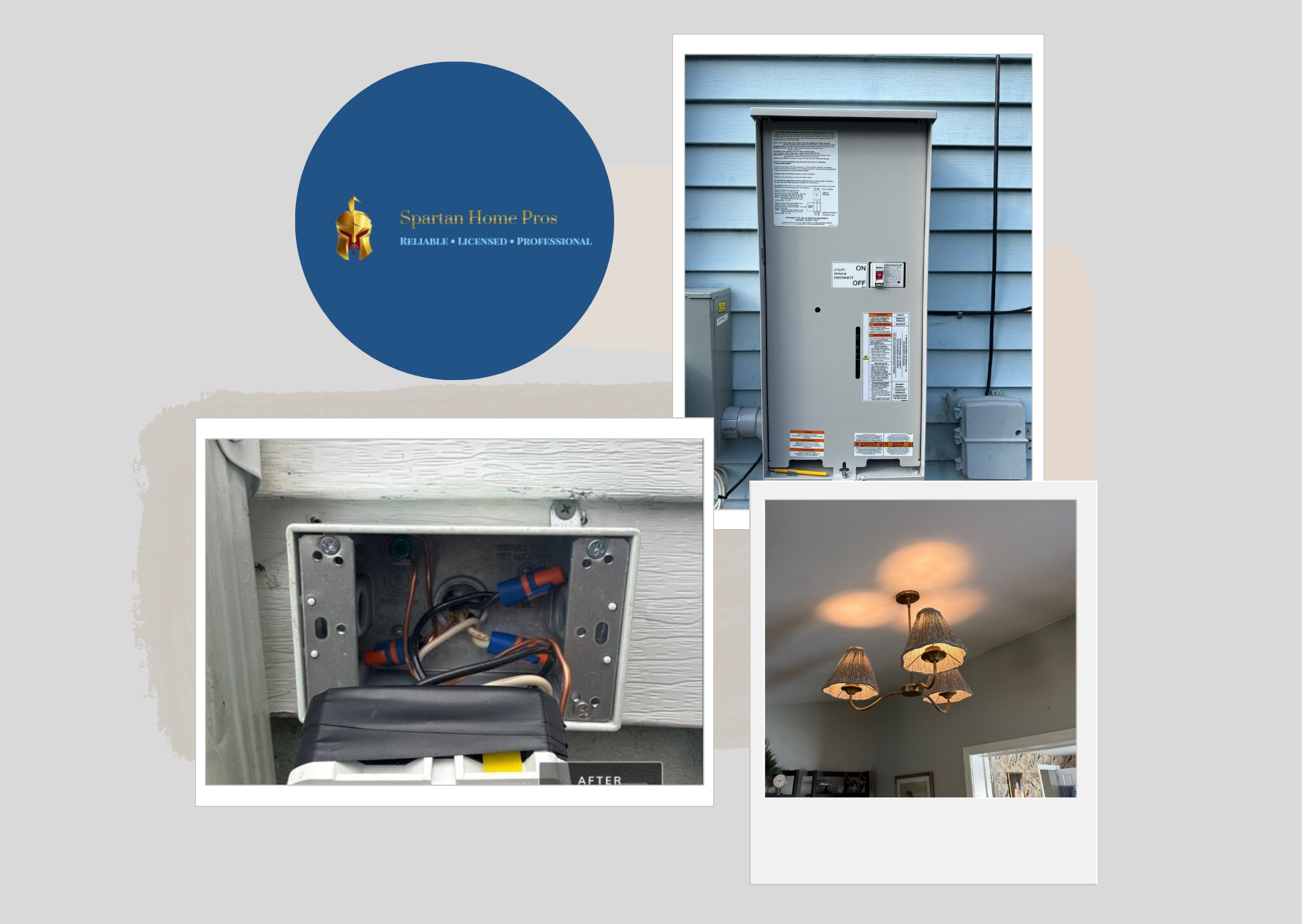
Plan Your Purchase With Real-World Home Needs
Choosing the right charging setup starts before you pick a charger model. Walk through how you drive, where your car is parked overnight, and how often you return with a low battery. If you charge most nights, a Level ev charger installation 2 unit is typically the most practical choice for faster replenishment. If your parking routine is less predictable, you may prefer a system that can deliver consistent performance across varying daily schedules.
Next, consider the location where the charging equipment will be installed. A driveway, garage wall, or exterior post each creates different requirements for cable routing, weather protection, and mounting hardware. You should also confirm whether you want to manage charging from a phone app, via a schedule, or with a simple button-and-light interface. These preferences can affect the overall cost, because features like network connectivity and load management may require additional components.
Match the Charger to Your Electrical System Safely
Before buying, evaluate your existing electrical capacity and the condition of your service. Many homes can support Level 2 charging, but some need an electrical panel upgrade to provide enough space and safe power delivery. A licensed electrician will check breaker electrical panel upgrade capacity, available amperage, and whether the panel has compatible breaker slots for the new circuit. This step protects your wiring, reduces the risk of nuisance tripping, and helps ensure the charging system performs reliably.
You should also plan for the correct circuit type and protective devices. Charging equipment typically requires dedicated circuits sized to the charger’s output, with appropriate breakers and grounding. If your home wiring is older or has signs of wear, the electrician may recommend upgrades to meet modern safety expectations. When you align the charger specifications with your electrical system requirements, you avoid delays and minimize the chance of returning for rework.
Know the Cost Drivers Before You Commit
Home charging costs vary based on equipment selection, installation complexity, and electrical work required. If the charging location is far from the electrical panel, the install may require additional materials to keep the run safe and code-compliant. Ask for a clear breakdown so you can compare quotes with confidence.
Permits and inspections can also influence the timeline and cost. A professional installation plan typically accounts for local requirements and ensures the work passes inspection without unnecessary corrections. Load management options may add cost, but they can prevent the charger from competing with household circuits during high-demand periods. If you have concerns about other appliances, discussing these features upfront helps you select a solution that fits your electrical reality rather than an assumption.
Conclusion
Buying a home charging system is easiest when you treat it like an integrated project: charger choice, electrical capacity, and installation layout all need to align. For buyers seeking licensed expertise and practical guidance, njspartan.com can help connect the right equipment to the right electrical work for everyday use. Their focus on professional installation supports convenient charging while protecting your home’s electrical infrastructure. If you’re ready to move forward, gather details about your parking setup, your typical driving needs, and a recent snapshot of your electrical panel. Then request an assessment that explains what components are needed and why, including any panel or wiring considerations. With that clarity, you can select a charger that meets your daily requirements and install it with confidence. Choosing the right approach from the start supports safer operation and long-term satisfaction with your electric vehicle charging setup.
