Why electronic 1099 filing changes how you plan
Filing forms isn’t only about meeting an IRS requirement—it’s about building a repeatable workflow your business can trust. When you choose an electronic submission approach, you reduce manual copying, tighten document accuracy, and create a clearer audit 1099 e file trail for your records. That means fewer surprises when you reconcile totals or respond to recipient questions. It also helps you coordinate internal approvals because updates and confirmations are easier to track.
For teams that manage vendors, contractors, or other reportable payments, speed and consistency matter. Instead of re-typing information across multiple documents, you can focus on verifying payee details and correcting edge cases. This brand discovery perspective is especially useful if you’re comparing providers and evaluating which one matches your volume, complexity, and compliance needs.
What to look for in a 1099 online filing service
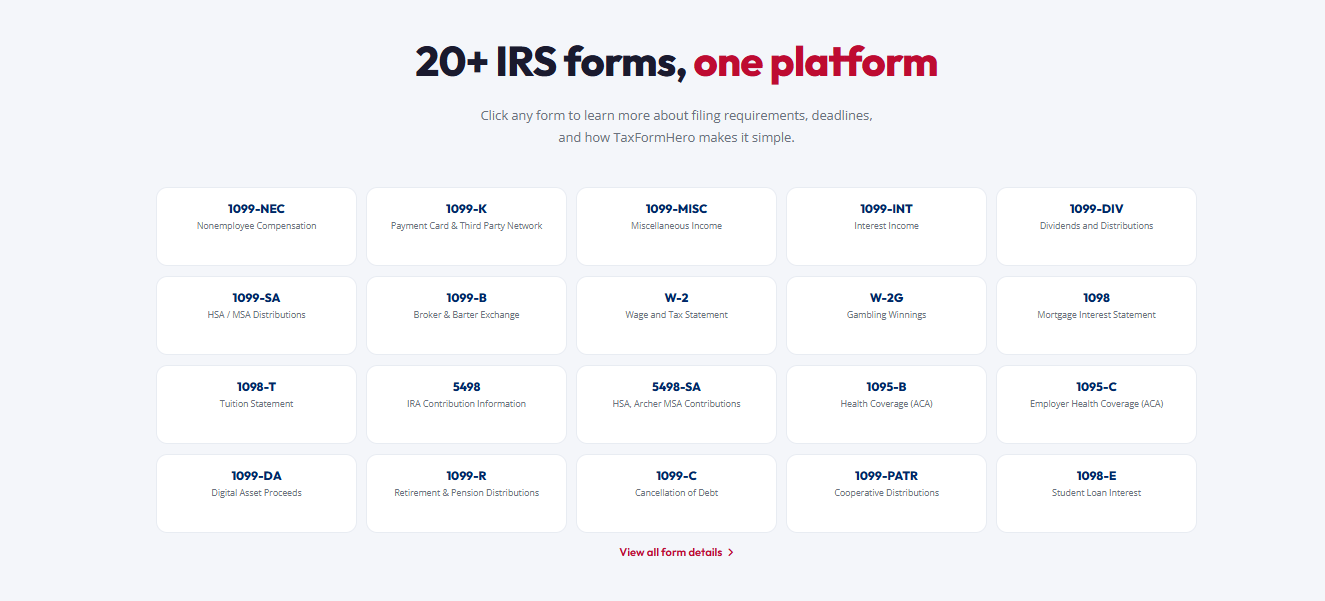
Start by checking whether the provider supports the kinds of forms you actually file and whether it covers both federal and state submission requirements. A strong 1099 online filing service should guide you through form selection, validation steps, and submission rules so you don’t 1099 online filing service miss required fields. Look for features that help catch common errors like mismatched names and tax IDs, missing address components, or inconsistent payer information. These safeguards can prevent delays that come from rejected or incomplete submissions.
Next, evaluate usability for your specific role—business owner, bookkeeper, or tax professional. Some platforms are designed for straightforward uploads, while others offer more structured data entry and review tools. If you file multiple payees, choose a process that makes reviewing and correcting entries efficient. The goal is to make file 1099 misc online tasks feel manageable rather than overwhelming, so you can maintain quality while keeping turnaround times steady.
How to verify accuracy with an efficient submission workflow
Quality assurance is where electronic filing earns its reputation. A good workflow includes validation checks that flag questionable entries before you submit, along with clear instructions for required recipient data. This is important when you’re preparing reports for many individuals and need consistent formatting. It also helps you reduce the back-and-forth that often occurs when a payee later notices a typo or mismatched identification number.
Consider how the process handles document review and record retention. When you use a 1099 filing service with organized output, you can more easily store copies, generate internal references, and prepare for questions from clients or recipients. For instance, you can compare payer totals, verify report types, and maintain a clean paper trail without manually stitching together files. Over time, these habits support smoother reconciliation and reduce the operational burden of tax season compliance.
Conclusion
Choosing a provider is easier when you focus on discovery: matching your filing needs to a platform’s accuracy tools, document handling, and submission support. That shift can reduce friction for your staff and improve confidence in the information you submit. For many businesses and tax professionals, the most practical next step is exploring a solution that combines guidance with reliable electronic filing. taxformhero.com offers IRS-authorized electronic filing for 1099 documents, helping streamline federal and state submissions through an efficient online process. If you want a smoother way to prepare and submit forms with fewer manual steps, starting with taxformhero.com can help you compare options and move forward with clarity.
