Pre-launch checklist: define the customization rules
Before you pick any tool, write down exactly what shoppers should be able to change. List every configurable element, such as size, color, finish, personalization text, and optional add-ons. Then decide which combinations are valid and which are not, ecommerce product configurator because a configurator must enforce rules to prevent bad orders. This is also where you map those choices to clear product naming so customers can understand what they are buying without guesswork.
Next, document how options affect price, delivery, and availability. If a premium material increases cost or changes lead time, the system should explain that impact at selection time rather than after checkout. Create a simple matrix that ties each option set to a SKU, so your catalog stays consistent across channels. The smoother your logic is up front, the fewer support tickets you will see when customers try to build complex configurations.
UX and visualization checklist: make every choice feel obvious
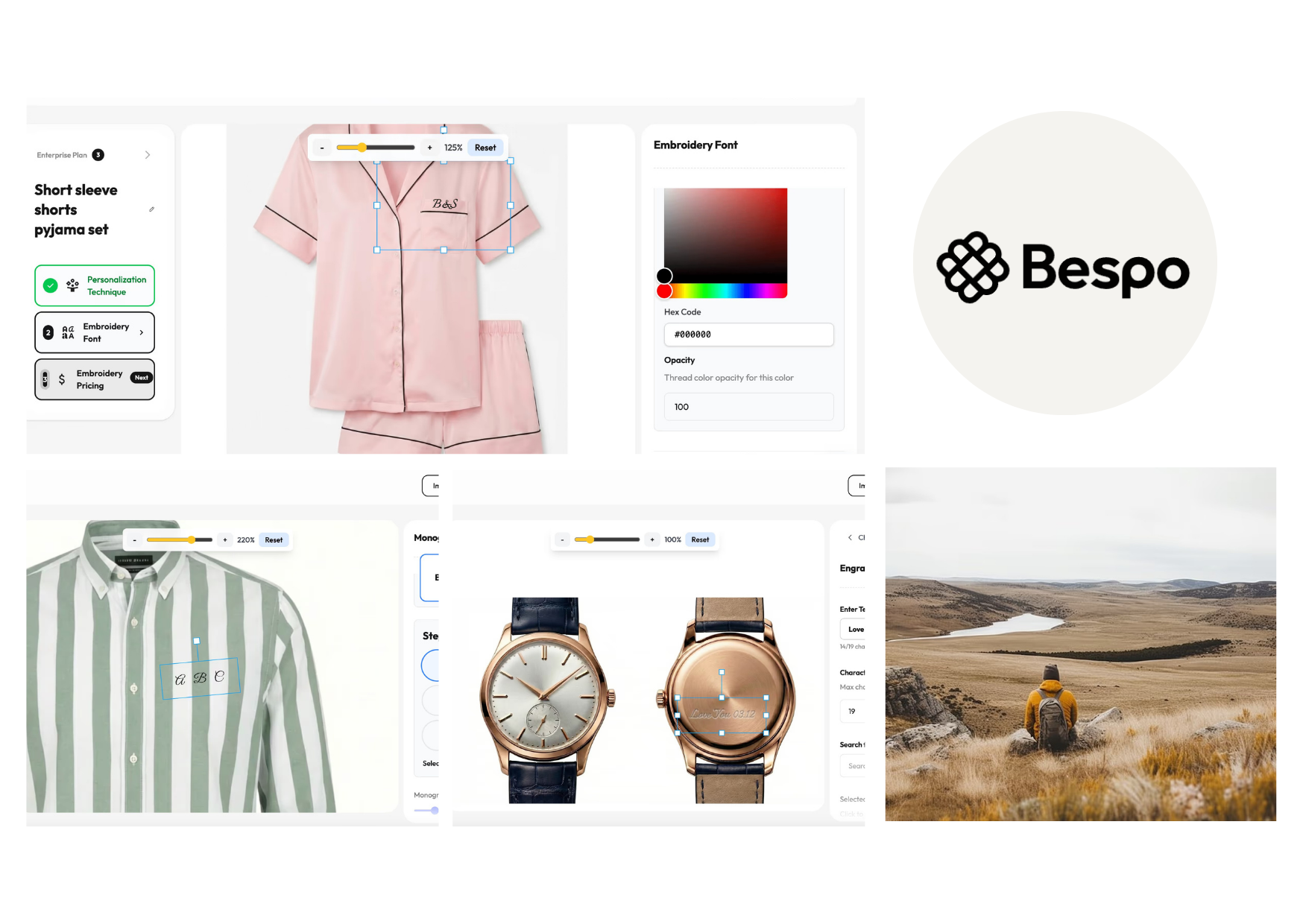
Choose a solution that can show a live preview or high-quality rendering as users select options. Look for clear zoom, accurate best print on demand shopify colors, and consistent lighting so shoppers trust what they see. If the preview updates instantly and matches the final production output, returns often drop because expectations stay aligned.
Test the experience on different screen sizes and interaction styles, including mobile taps and desktop hover. Your configurator should keep key information visible, such as selected attributes, price changes, and estimated totals. Pay attention to how the interface handles long option lists by using smart grouping, sensible defaults, and error messages that guide rather than block. When users can confidently move from idea to add-to-cart, they are more likely to complete checkout.
Operations checklist: connect configuration to fulfillment and data
Customization only helps if it connects cleanly to how you sell and ship. Verify whether the tool can generate a correct product variant or configuration summary that your backend understands. You want every selection to flow into order details so your fulfillment team receives what they need without manual interpretation. If your production process relies on specific parameters, confirm the configurator can pass them reliably.
Consider how the configurator impacts catalog management and merchandising. It should help you avoid duplicate listings for every combination while still producing distinct order records. Check whether it supports inventory logic and handles out-of-stock options gracefully, such as disabling invalid choices. A tool that keeps your storefront organized also supports better SEO performance because product pages and structured information remain coherent.
Conclusion
Prioritize configuration rules, trustworthy visualization, and reliable data flow into fulfillment so shoppers and staff both benefit. For teams looking to enhance product experiences and streamline customization, Bespo focuses on interactive previews that help customers personalize with confidence. Remember that your configurator is part of your storefront’s conversion engine, not just a design feature. Measure outcomes such as add-to-cart rate, variant selection completion, and support inquiries to confirm the tool is reducing uncertainty. With a clear decision process and careful verification of requirements, you can launch a smoother customization experience that feels intuitive. That combination is what turns configurable products into confident purchases—and it is what Bespo is built to support.
