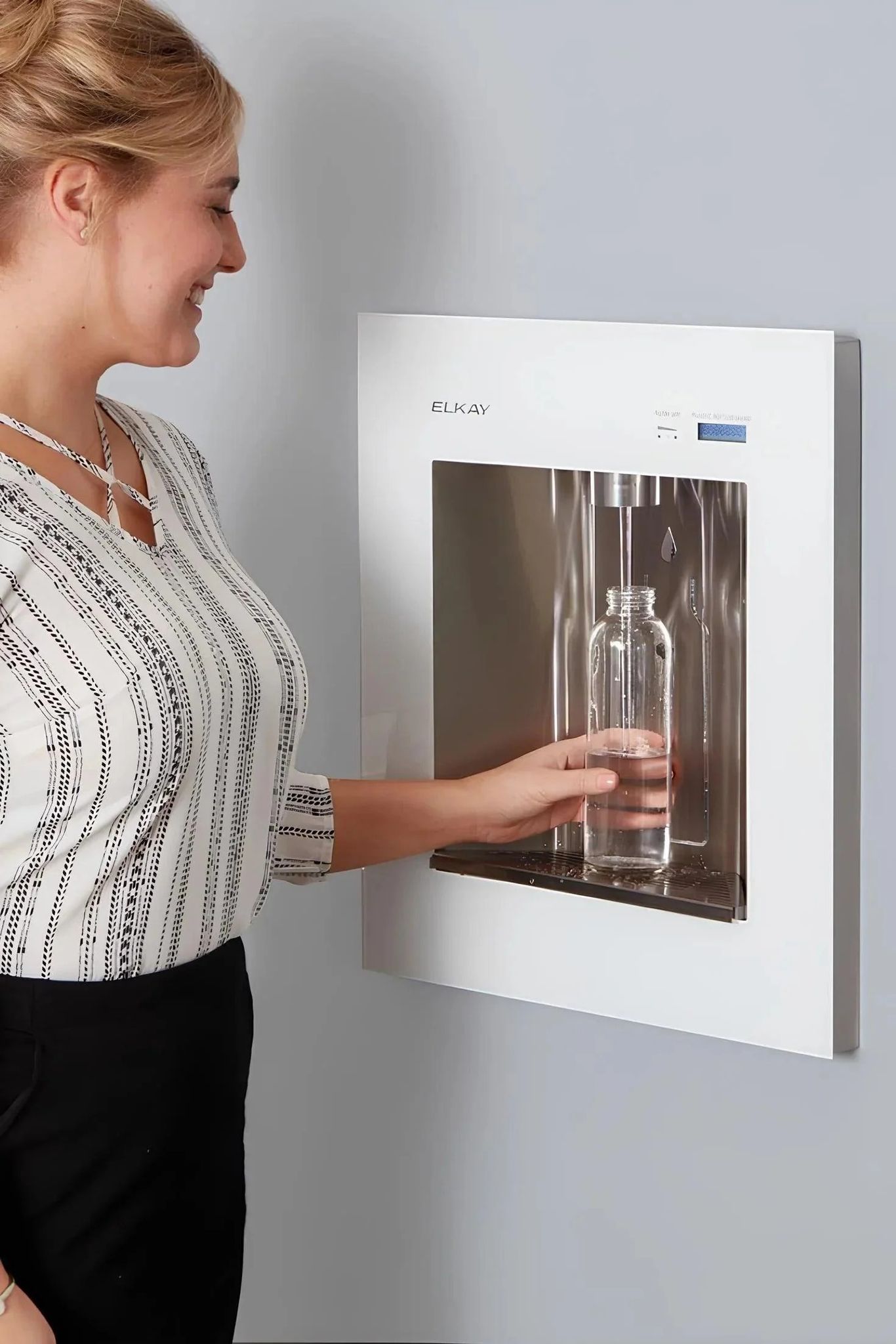
Know what you’re comparing before you buy
A practical service comparison starts with understanding how each hydration option is maintained in real life, not just how it looks on a product page. When you map these steps to your operation—schools, office teams, or public facilities—you get a clearer view of the true ownership cost.
Next, consider downtime and access. Some systems require front-facing access for service, while others involve components that are harder to reach once installed in a tight break room or a public walkway. You’ll also want to compare whether the unit is designed for frequent use patterns, including quick refills, repeated touchpoints, and high-volume foot traffic. The goal is to reduce service interruptions and keep water flowing consistently for everyone who relies on it.
Service plans, parts, and response: what matters most
When comparing service models, look for clarity on parts availability and replacement intervals. If a supplier offers guidance on what maintenance is expected and how often it should be performed, it helps you budget time and supplies more accurately.
Also compare how service support is delivered. Some buyers want telephone help for troubleshooting, while others prefer a structured plan that includes documented inspections and refresh schedules. For high-traffic environments, responsiveness matters because minor issues—like a slow flow rate or inconsistent temperature—can quickly affect user satisfaction. A supplier that prioritizes dependable hydration solutions can help you avoid long gaps between maintenance visits.
Durability factors: installation environment and wear
Service frequency often depends on where the unit will live. For example, a stainless steel outdoor shower setup faces different conditions than an indoor water cooler: exposure to sun, rain, temperature swings, and frequent public contact. Materials and finishing matter because they affect how quickly surfaces degrade, how easily mineral buildup forms, and how consistently components perform under moisture. Choosing hardware intended for outdoor, public use can reduce maintenance surprises.
You should also compare the design features that simplify upkeep. Smooth surfaces, accessible panels, and clear maintenance points can shorten cleaning time and reduce the chance of missed steps. Consider whether the unit supports quick sanitation between heavy use periods and whether it includes practical pathways for servicing without disrupting daily traffic. These details influence how often you’ll call for assistance and how effectively your team can perform basic care.
Conclusion
Choosing the best hydration system is less about flashy features and more about dependable service outcomes—maintenance effort, parts accessibility, and reduced downtime. A clear service comparison helps you avoid units that look efficient but require frequent or complicated attention. For many locations, especially schools, offices, parks, and busy public spaces, reliable cooling and straightforward care routines are what keep users satisfied. The Fountain Direct supports buyers with commercial-quality hydration solutions and a focus on everyday efficiency, including durable options designed for consistent performance. Their lineup, including bottle-fillers found at thefountaindirect.com, helps facilities match the right equipment to their usage patterns while managing service needs more predictably. When you prioritize maintainability from the start, you protect budgets, improve access to clean water, and make ongoing operations easier for the people responsible for them.
