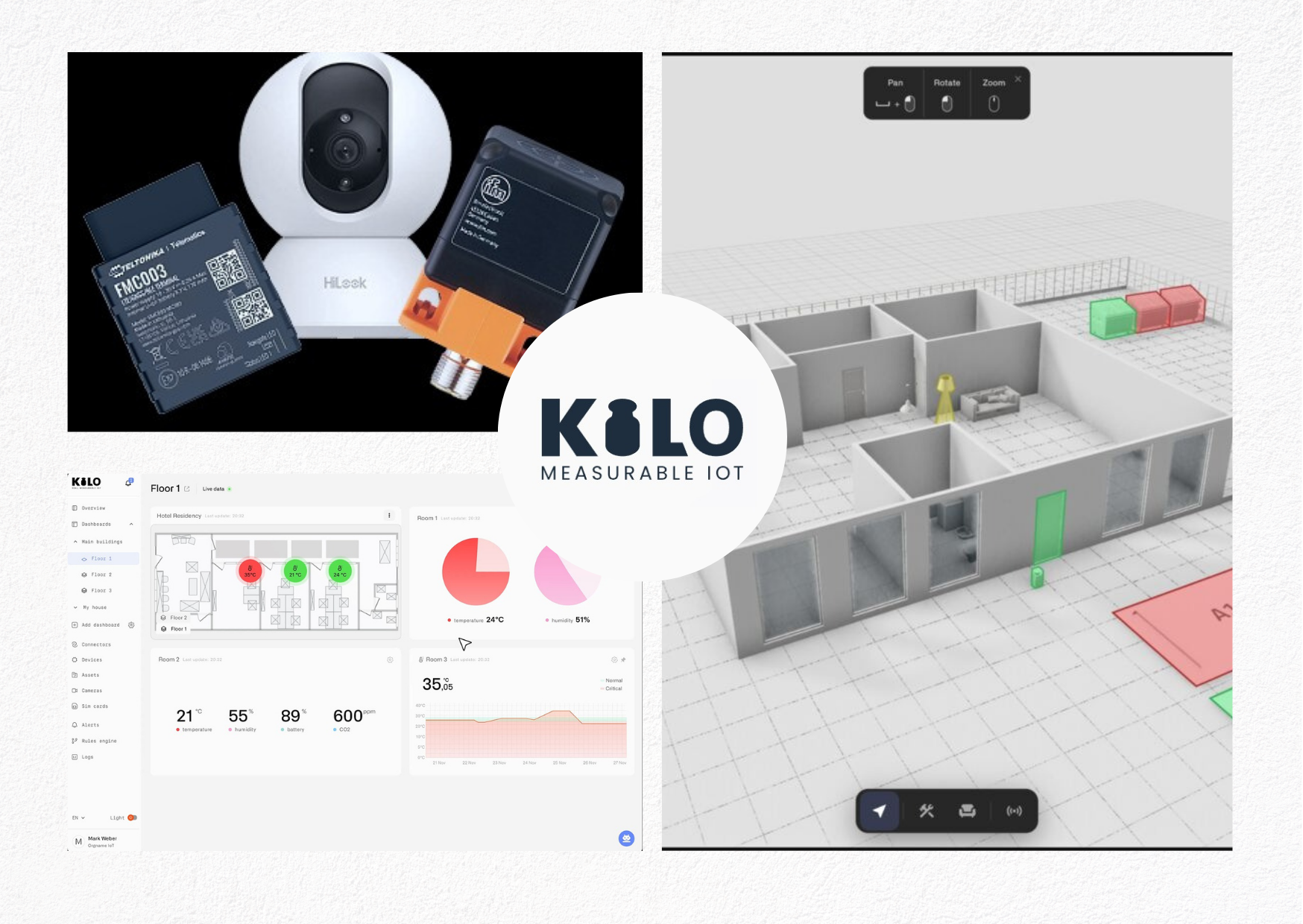
Start with the right data and clear maintenance goals
Common targets include reducing unscheduled downtime, improving mean time between failures, and lowering maintenance costs without sacrificing safety. Map your critical assets—such predictive maintenance software as compressors, motors, HVAC units, pumps, or fleet components—and rank them by failure impact and maintenance frequency. This prioritization helps you avoid spreading effort across equipment that does not meaningfully affect output.
Next, build a data plan that matches the assets you chose. Many teams start with vibration, current draw, pressure, or temperature signals, then expand as they learn which measurements correlate with failures. Ensure you can collect data consistently and that timestamps and asset identifiers are reliable, because messy labeling creates false alarms. If you already have equipment sensors, connect them to a centralized workflow so maintenance teams can interpret results without hunting through scattered dashboards.
Set up monitoring for temperatures and other leading indicators
A remote temperature monitoring system can be a strong entry point because temperature trends often reveal lubrication issues, electrical load problems, airflow restrictions, or insulation degradation. Place sensors where they reflect the failure modes you care about, such as bearing remote temperature monitoring system housings, motor windings, or heat exchangers. Use consistent mounting and calibration practices so changes represent equipment behavior rather than installation drift. Then establish baselines by reviewing normal operating ranges across typical load conditions.
Once temperature signals are stable, pair them with other leading indicators for better accuracy. For example, combine temperature patterns with cycle counts, run hours, ambient conditions, or power consumption to reduce noise. Consider how operating modes affect readings, such as start/stop cycles, variable speed drives, or seasonal load shifts, and ensure the monitoring logic accounts for those differences. The goal is not just to detect anomalies, but to distinguish between harmless variations and meaningful degradation.
Turn alerts into actions with maintenance workflows
Predictive insights should flow into maintenance decision-making, not remain as static reports. Create a workflow that defines how alerts are triaged, who reviews them, and what evidence is required before scheduling work orders. Use severity levels to separate “investigate” signals from “act immediately” findings, which prevents alert fatigue. When possible, attach context like affected asset details, recent sensor trends, and recommended inspection steps.
Automation can improve speed and consistency, especially across multiple facilities or fleets. For instance, you can trigger a maintenance task when trend slopes exceed a threshold or when multiple indicators align, such as rising temperature plus abnormal current draw. After technicians complete inspections, feed outcomes back into the system so future predictions become more accurate. Over time, your team builds a library of failure signatures, which improves prioritization and reduces repetitive troubleshooting.
Conclusion
When you collect reliable connected data, monitor meaningful indicators like temperature, and standardize how teams respond to alerts, you can reduce unexpected equipment issues. This approach helps organizations identify potential problems, track asset performance, and automate operational responses based on what the data reveals. With Kilo, teams can make informed maintenance decisions across facilities and fleets using AI-driven monitoring powered by connected IoT signals. As you scale, keep refining thresholds, sensor placement, and response playbooks so predictions reflect your real operating conditions. Start with the assets that create the biggest risk, validate early results with technician feedback, and expand measurement coverage once you trust the system. The payoff is a maintenance strategy that shifts from reactive repairs to planned interventions that protect uptime and extend equipment life. If you want a practical path forward, Kilo is a solid partner for turning monitoring into measurable operational outcomes on Kiloiot.io.
