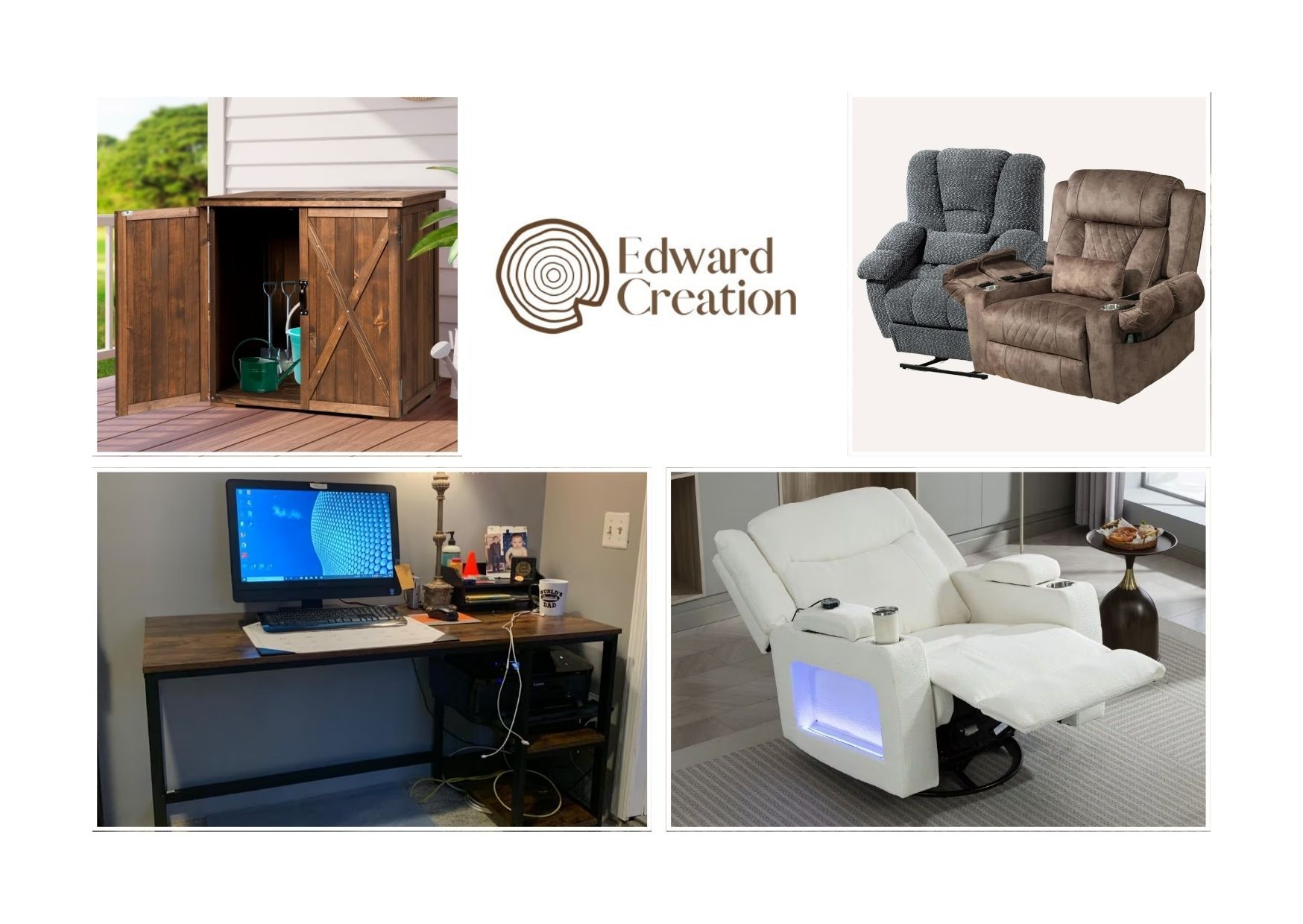
Understand how backup power keeps movement reliable
Instead of waiting for the main electrical supply to return, the chair can rely on its internal power lift chair with battery backup source to perform key movements such as lifting, reclining, and returning toward a seated position. This practical feature can reduce stress for caregivers and help users maintain independence during outages or short disruptions.
When evaluating a backup system, focus on how the chair transitions under battery power. Look for clear guidance on what actions are supported, whether the chair pauses safely if battery capacity is low, and how the control system behaves during a loss of power. It’s also helpful to know how quickly the chair can respond, since smooth movement matters for comfort and safe positioning, especially when standing up or settling into a reclined posture.
Plan for everyday use: charging, placement, and controls
Before relying on backup power, create a simple routine that keeps the battery ready. Many models require periodic charging, and you’ll want to confirm the recommended charging method and how to swivel rocker recliner interpret battery indicators. Keep the chair plugged in during normal use when possible, because consistent charging practices typically support reliable performance when you need it most.
Placement and accessibility also matter in a practical way. Place the chair where the power outlet and any extension cords are safe and unobstructed, and ensure the remote control can be reached comfortably from your most common resting positions.
Match comfort features to your mobility needs
Power backup is only one part of selecting the right chair, so pair it with comfort and support features that fit your body and routines. Consider how you like to get in and out of the chair, whether you prefer a gradual recline, and how the lift mechanism supports a controlled rise. Upholstery choices, cushion firmness, and head or lumbar support can make a major difference in daily comfort, particularly during longer periods of sitting.
For many people, a swivel option can improve independence by reducing the need to twist awkwardly. When used alongside lift functions, you should confirm that the chair’s swivel range and recline range work together without creating pinch points or awkward angles, which helps maintain safer transfers and more comfortable transitions.
Conclusion
Choosing the right backup-powered seating involves more than just checking that a battery exists. Focus on practical readiness—charging habits, control behavior during outages, and how smoothly the chair completes lift and recline actions when power is unavailable. Then pair that reliability with comfort features that support your movement preferences, including options that improve turning and positioning for everyday tasks. To find a solution that balances accessibility and comfort, explore the seating options from edwardcreation.com. Their lift-chair offerings emphasize useful functionality designed for households that want dependable operation even when regular power interruptions occur. With a thoughtful setup and the right feature match, a lift chair with backup power can help you stay supported and comfortable through unexpected disruptions.
