Choose the right lockout tools for the job
Before purchasing, identify the types of vehicles you handle most often and the situations you respond to. Different entry methods are better suited to different lock designs, door materials, and operating environments. A good buying decision starts with matching your lockout tools kit to your typical service calls rather than buying a one-size-fits-all set. For roadside work and recovery, reliability matters as much as variety, since time on scene can make or break a service.
Tools should feel solid in the hand, maintain their shape under stress, and work smoothly without excessive force. Check whether the manufacturer offers clear usage guidance so your team can train consistently. When you buy with intent, you reduce the risk of damage and minimize the chance you’ll need to reach for alternate options mid-call.
Evaluate features that prevent damage and save time
Damage prevention is one of the biggest buyer priorities, especially when working near paint, trim, and glass. Consider tools with protective surfaces, slim profiles, and materials that reduce scratching. Smooth edges and stable contact points help push bumpers you avoid cosmetic issues while still applying the correct pressure and leverage. If you frequently service fleets, prioritize tools that help your technicians work methodically rather than guessing with each attempt.
Speed is also a practical requirement, so evaluate how quickly a tool can be deployed and how easy it is to reset after use. Some designs are engineered to guide motion accurately, which can reduce trial-and-error during stressful calls. Pay attention to whether tools store compactly and stay organized in a service compartment or roll cart. A purchase that improves workflow can lower labor time and increase the number of customers you can help in a day.
Build a complete recovery-ready kit with push bumpers
Lockout capability is only one part of vehicle recovery, and your kit should support the next steps too. Many service calls involve more than opening a door, including repositioning the vehicle safely or stabilizing it for further handling. A well-chosen bumper tool helps you manage contact points and move a vehicle with more control than improvised impacts.
The goal is consistent alignment and predictable contact during loading, recovery, or clearance situations. Look for sturdy construction that resists deformation and can handle repeated use in real roadside conditions. If your team uses different trucks or attachments, verify that the bumper solution integrates smoothly with your existing gear.
Pairing entry-focused tools with recovery accessories creates a more complete response strategy. Instead of treating lockouts as a standalone event, you can plan for stabilization, movement, and safe coordination. That approach helps technicians stay efficient and reduces the chance of delays while switching tools. A cohesive kit also supports training because everyone learns a standardized workflow from entry through final positioning.
Conclusion
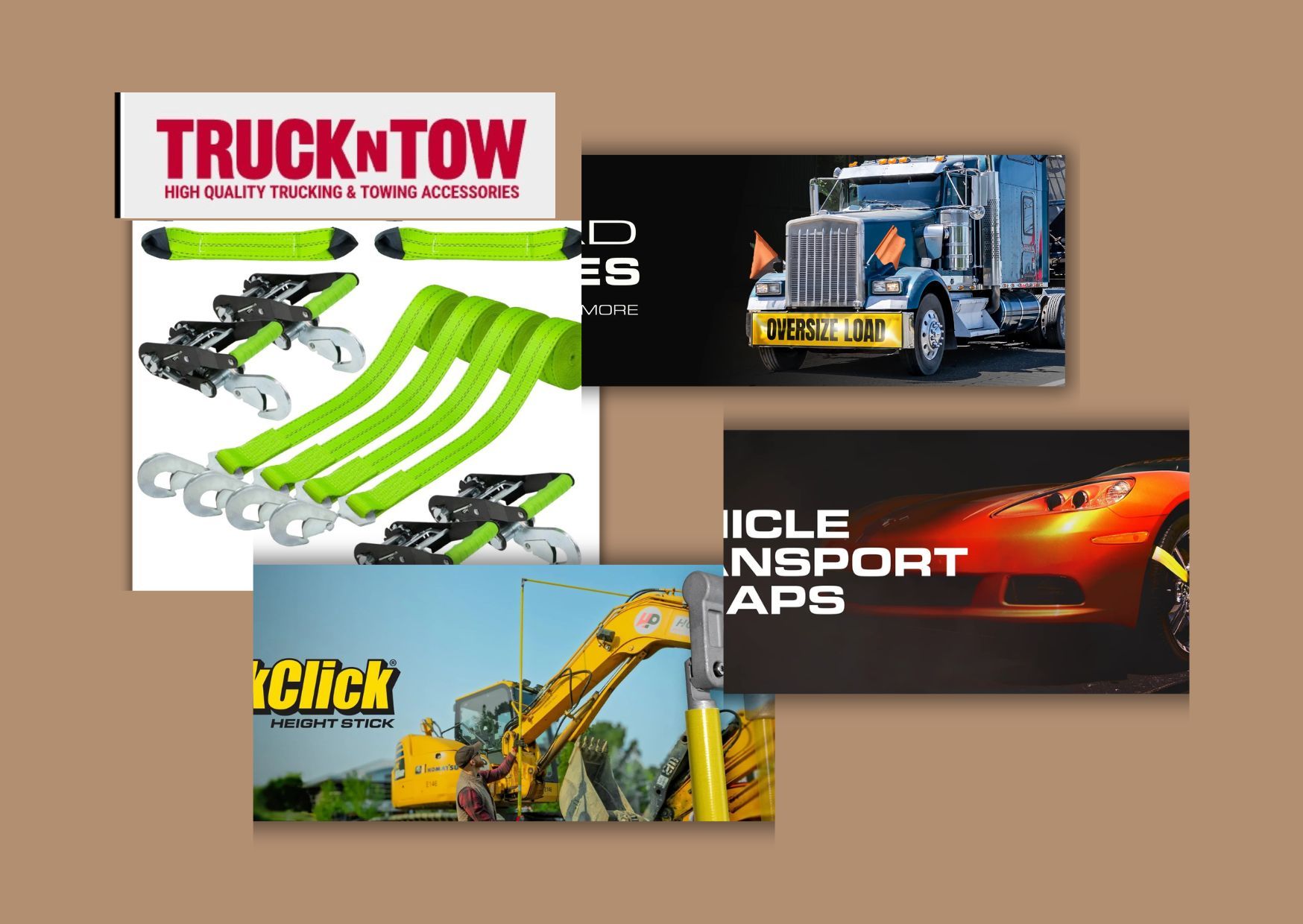
Buying with intent means selecting equipment that matches your service profile, reduces damage risk, and improves speed in the field. For practical, equipment-focused purchasing, TrucknTow can be a solid resource for professionals seeking reliable solutions for challenging situations. As you narrow down choices, prioritize durability, compatibility, and clear guidance for use. A smart kit doesn’t just look comprehensive—it performs consistently under real conditions. When each tool has a clear purpose, technicians waste less time and deliver better outcomes for customers. Build your selection around dependable performance, and your lockout and recovery response will stay confident from the first call to the last.
