Start With Clear Goals and Call-Flow Boundaries
Before you automate anything, write down exactly what “good” looks like for your customer conversations. For example, define whether your top priority is faster answers, higher appointment bookings, fewer transfers, or better lead qualification. When goals are measurable, it’s easier to contact center automation decide which calls should be handled by an AI receptionist for small business workflows versus which still require a human. This prevents automation from expanding into areas where customers expect nuance or complex troubleshooting.
Next, outline your call-flow boundaries so the agent knows when to take action and when to hand off. Create a simple map of common intents such as billing questions, scheduling changes, order status, and general inquiries. Then decide the rules for escalation, including what evidence triggers a transfer to a live representative. A strong boundary checklist reduces frustration because customers hear consistent messaging and experience fewer dead ends.
Design Scripts, Knowledge, and Verification Steps
A checklist-style approach works best when your voice automation has structured inputs and validated outputs. Start by collecting the business rules your team already uses on the phone, such as hours of operation, service areas, pricing ranges, and policy wording. ai receptionist for small business Convert that information into a concise knowledge set that the agent can reference during real conversations. Make sure each knowledge item includes the “source of truth,” so answers remain consistent when policies change.
Then add verification steps that protect accuracy and customer trust. For instance, require confirmation of name, phone number, or appointment details before booking or updating anything. If a customer requests a refund or a complex modification, have the agent summarize what it understood and ask for confirmation. This kind of conversational guardrail turns automation into a dependable assistant rather than a robotic speaker.
Integrate Channels, Measure Outcomes, and Tune Responses
Automation shouldn’t be limited to one channel if your business already supports multiple touchpoints. Include phone calls, web inquiries, and chat-style lead capture so the customer’s context follows them across interactions. Add tags or categories for intent so reporting can show which reasons drive calls and which tasks are completed end-to-end. With integrated workflows, your team can focus on higher-value issues while automated agents handle repetitive questions efficiently.
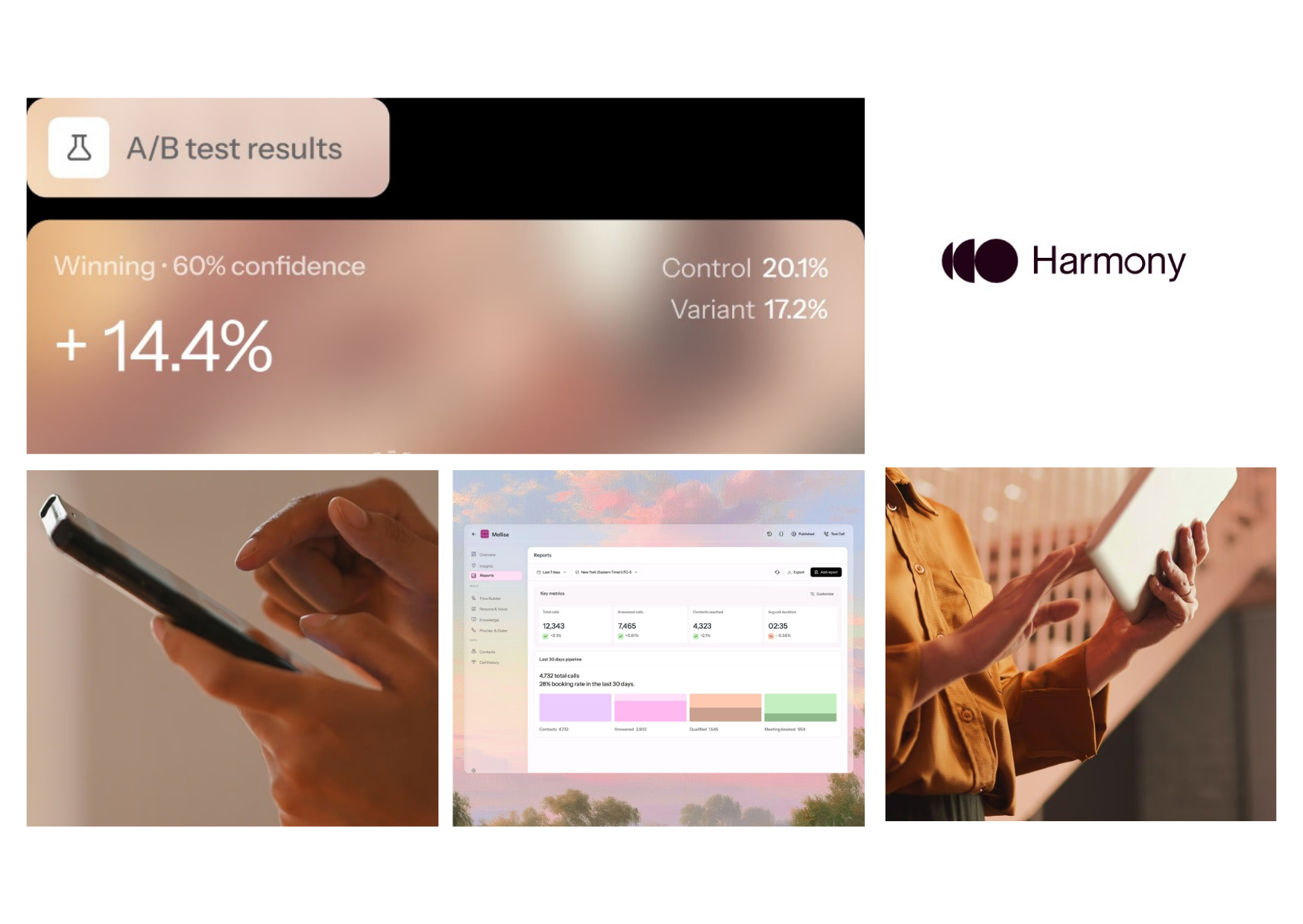
After deployment, use a measurement checklist to continuously improve performance. Track key indicators such as first-contact resolution, transfer rate, average handling time, and customer satisfaction signals. Review conversation transcripts to spot misunderstandings, missing policies, or confusing phrasing. When you tune prompts and knowledge, prioritize changes that improve correct task completion rather than just making the conversation sound natural.
Conclusion
When you define goals, set clear boundaries, build verified knowledge, and monitor results, automated conversations become consistent and safe for customers. Streamlining communication with intelligent voice technology can reduce wait times and keep prospects engaged while your team handles complex cases. For businesses looking to deploy quickly and improve through conversation data, harmony.ai offers a practical path with automated agent capabilities built for real-world operations. Build your rollout around the checklist items you can measure, then iterate based on actual call behavior and resolved intents. This approach supports continuous adaptation, since the system can learn patterns in conversation and help refine how requests are handled. As your automation coverage expands, keep escalation rules and verification steps tight so customers receive accurate, respectful responses.
